

Can you guess what makes these two craft chocolate bars different in color?
Milk and dark?
Nope — both are 70% dark chocolate.
Different ingredients?
No again — both bars are made with just three ingredients: cacao, sugar, and cacao butter.
Santa’s magic?
Maybe… but there’s a more scientific reason.
The lighter bar, which almost looks like milk chocolate, is made with a type of albino cacao beans from Hacienda Betulia in Colombia.
The darker bar is made with Chuncho cacao beans from the Urubamba Valley in Peru. Chuncho beans, like most cacao, have violet pigmentation when fresh.
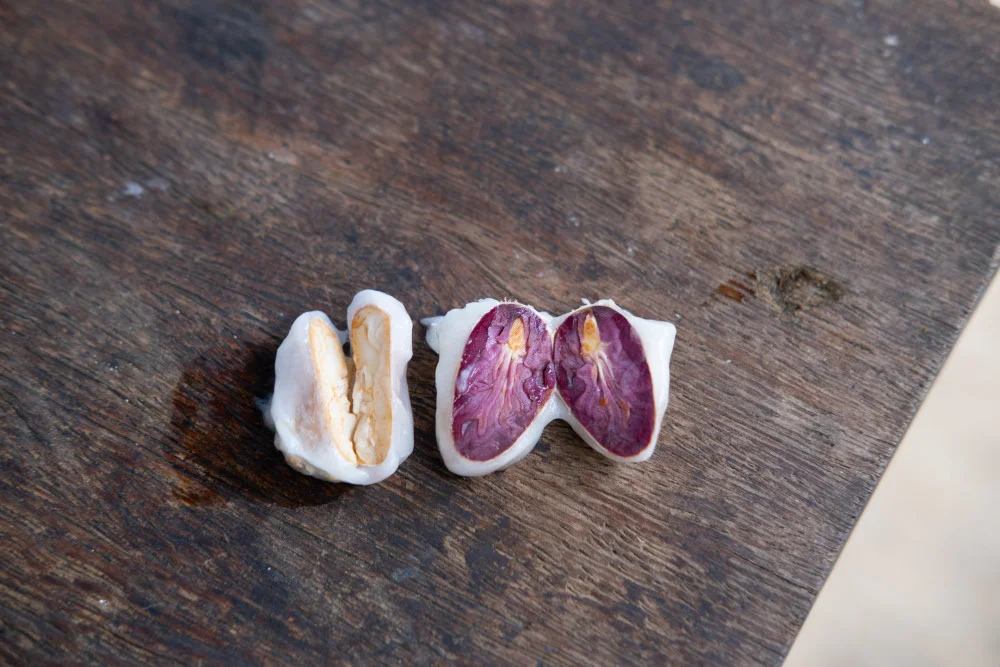
Look at the image bellow:
The cacao beans on the right, white beans, are a catongo cacao variety from Bahia, it’s also a type of albino cacao, like the beans from Hacienda Betulia.
The beans on the left has purple pigmentation, like the vast majority of cacao beans.
Violet-pigmented beans and albino varieties represent the most noticeable differences in cacao color. Beyond that, cacao can also vary slightly in tone. Take a look at these three chocolate bars, for example:
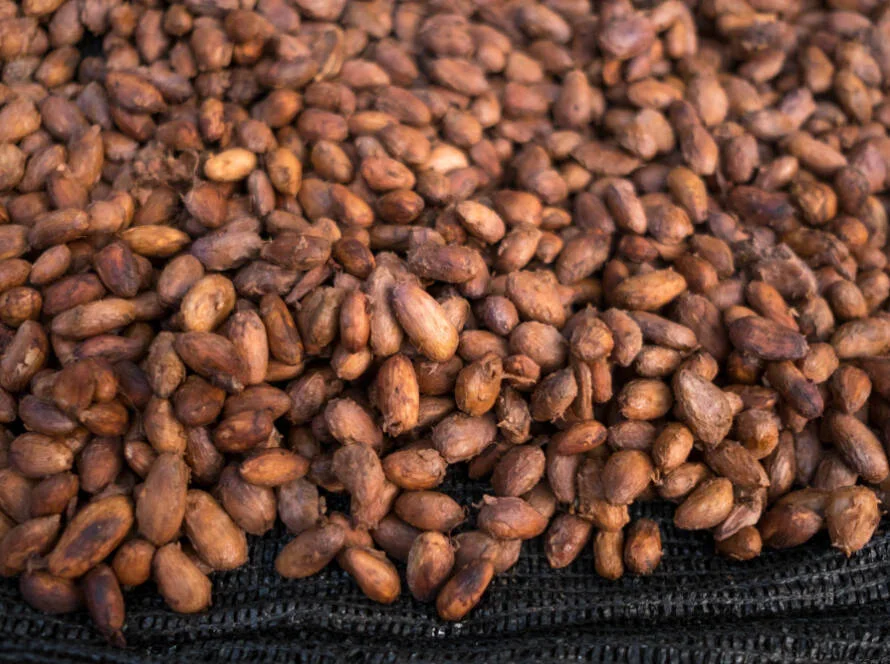
Look at nibs:
These are two different cacao nibs, that shows the variations in tone:
These natural color differences are a reminder of how diverse cacao can be — even before it becomes chocolate. From genetics to growing conditions, every detail shapes the final bar’s appearance, aroma, and flavor. That’s part of what makes craft chocolate so fascinating: the same recipe can look and taste completely different depending on the cacao behind it.